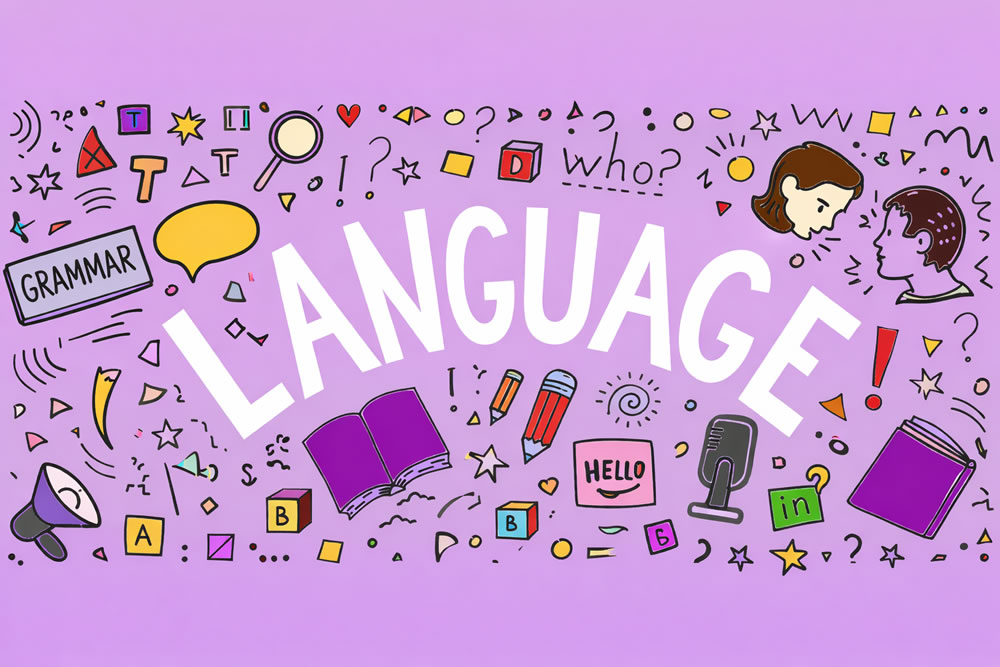
Language
Dear Friends,
I have lived in the UK for almost 20 years. But when it comes to the language, I never stop learning. Last year, I learned that I should say “sore throat” instead of “throat ache”. My own daughter has tried to teach me that “three” and “free” are pronounced differently. And so are “wheat” and “weed”, apparently. This is why I never preach about Jesus’s parable of the weeds among the wheat!
Language can be a dangerous weapon. For centuries, the Church tried to preserve its position of power by using Latin as the exclusive language of the church elite. The Protestant Reformation brought an end to this: the Bible and the prayer books were translated into the native, or “common”, language of the people, thus empowering each individual to make up their own mind about the teachings of the Church.
But did you know that a full six centuries before the Reformation, two missionaries in Eastern Europe had already translated the Bible into the Old Slavic language? St Cyril and St Methodius created the earliest form of the Cyrillic alphabet, which is still in use today. Unfortunately for them, they share their saints’ day with the much better-known St Valentine! Spare them a thought on 14 February - their work was revolutionary and liberating.
Language is powerful, but it also has its limits. It can easily be abused. The tongue is a spark that lights a great fire, St James tells us. In our world today, that tongue can be a keyboard. Not long from now, nobody will be able to tell what is and what isn’t AI-generated. Did the vicar really write this, or not?
Let us remember that some things - like “love” - transcend the grasp of language. “God is love”, St John tells us, “and those who abide in love abide in God, and God abides in them” (1 John 4:16). We only begin to appreciate the mystery of Love in silence, which is why our churches are open every day for prayer and meditation. Amidst the cacophony of disturbing news, we need those silent spaces more than ever.
Love and Prayers.